


OFFICIAL LAUNCH OF LAHAT 2MW BIOGAS RENEWABLE ENERGY PLANT STRENGTHENS IPOH LOW-CARBON CITY AGENDA
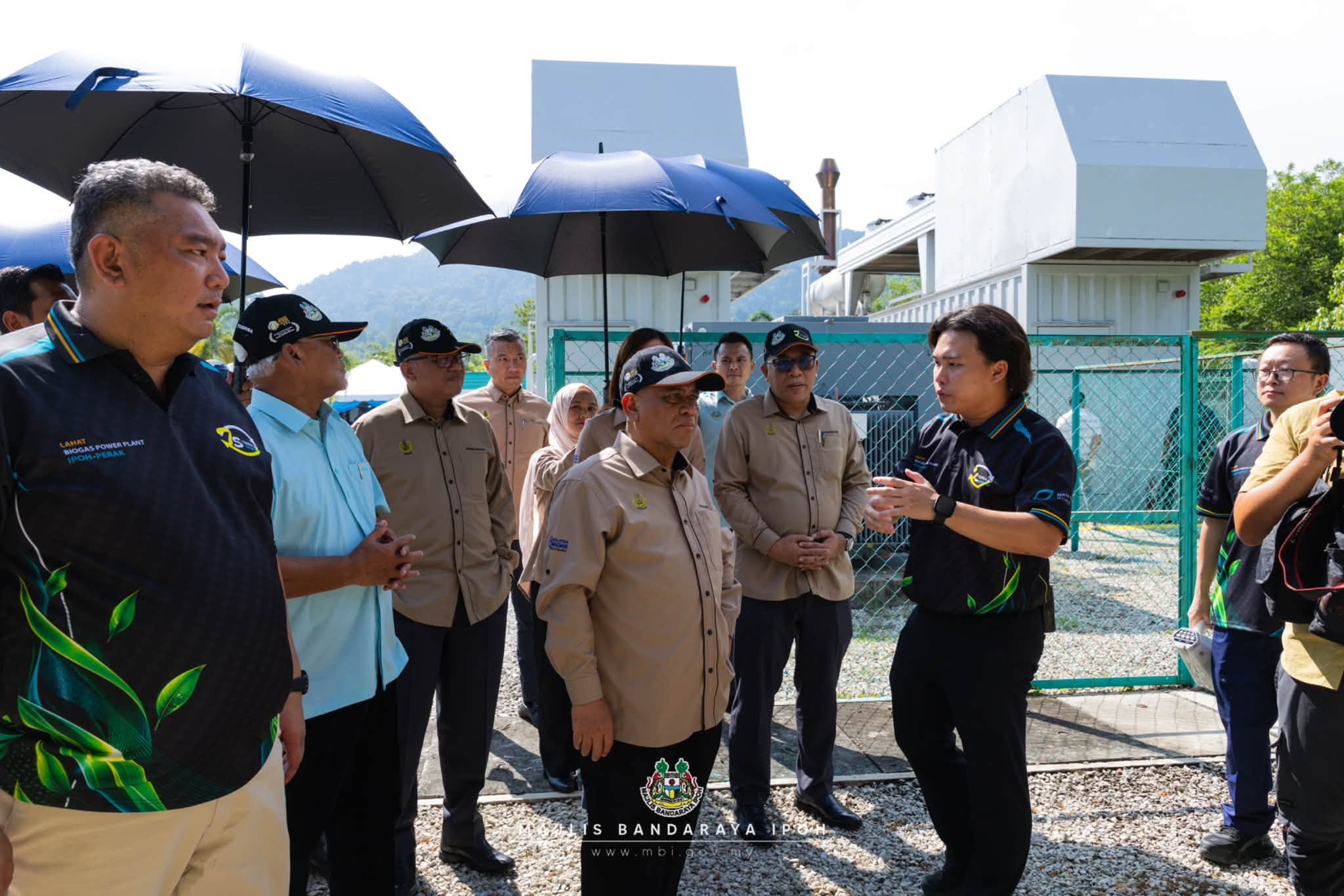
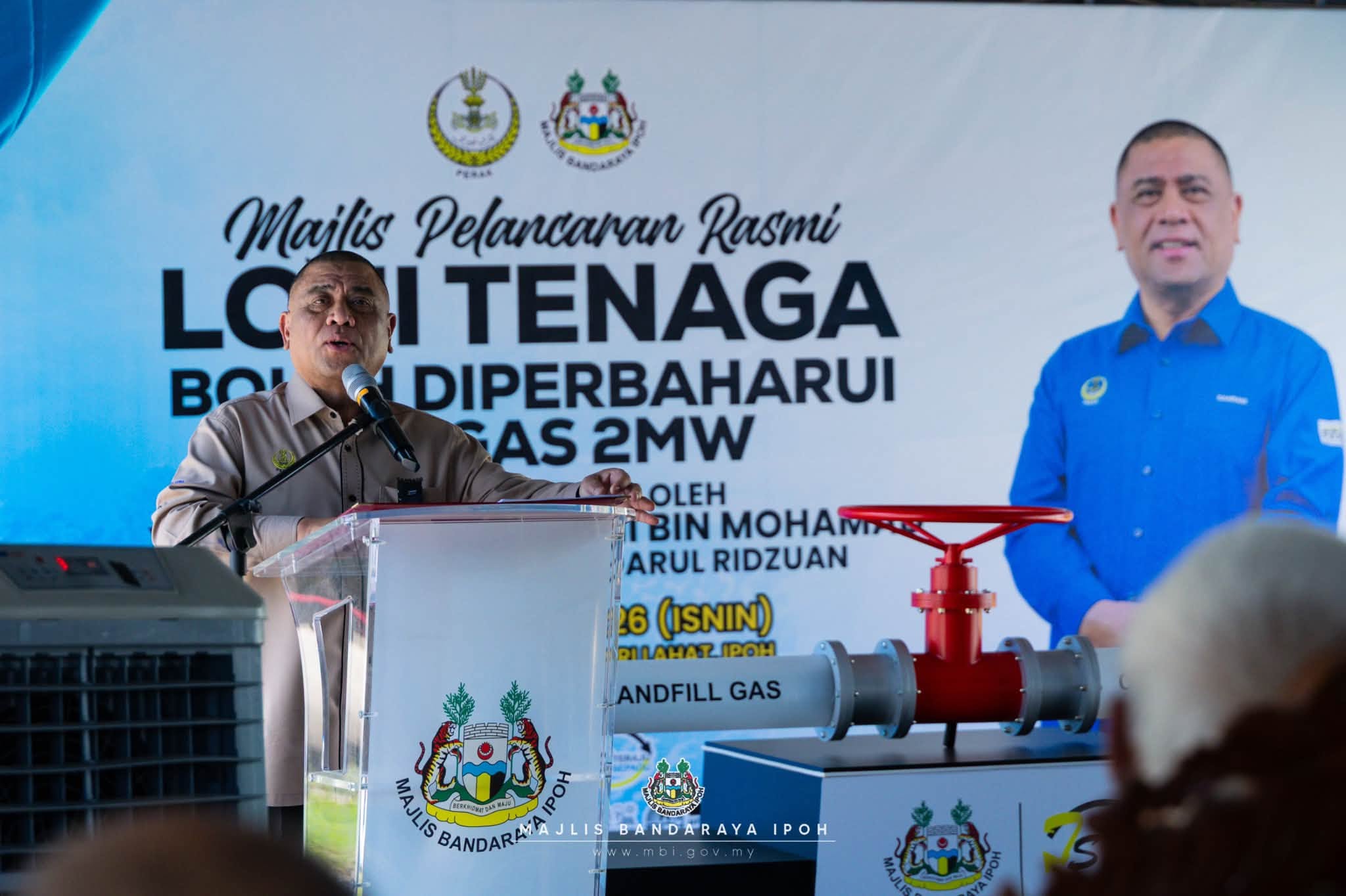
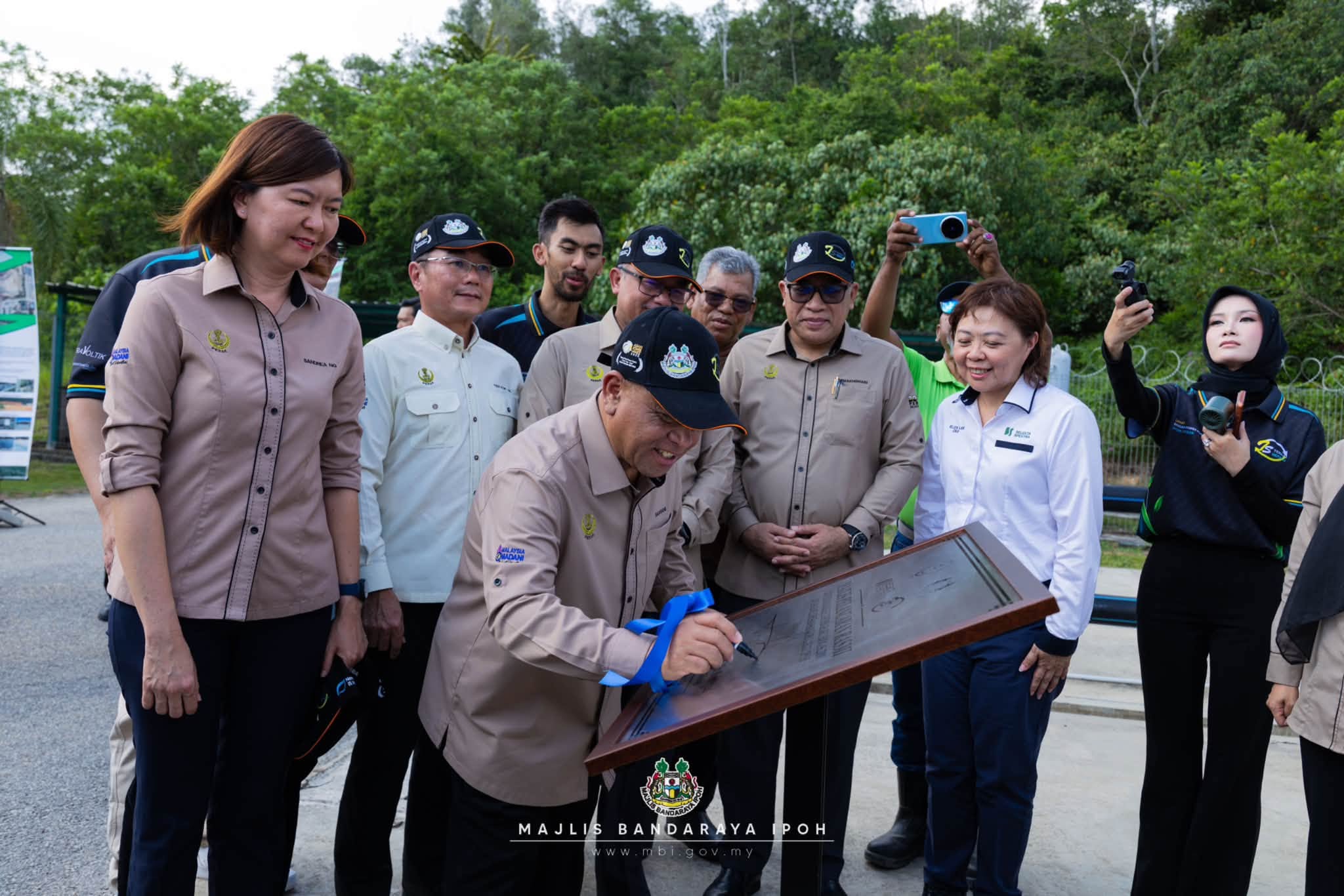
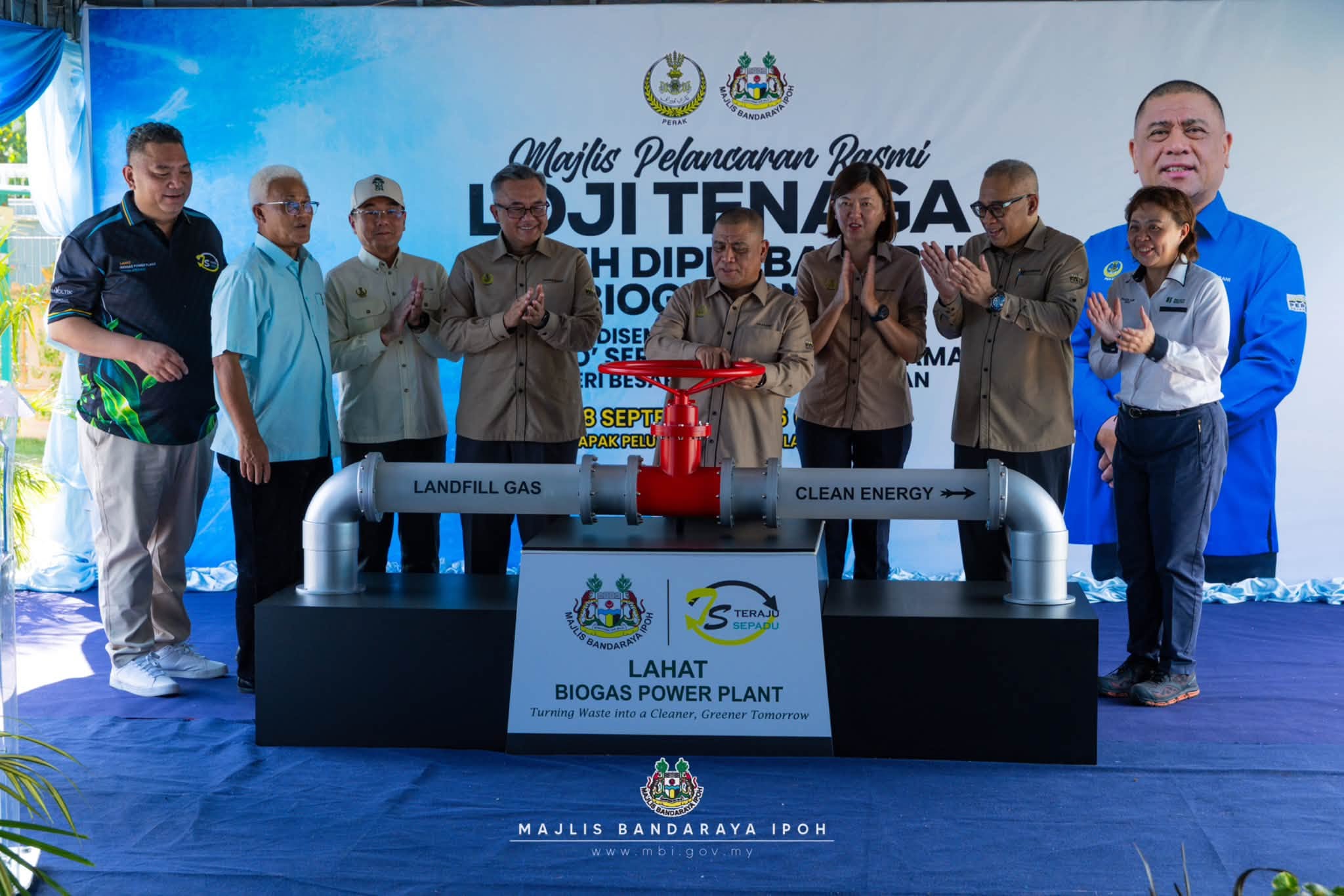
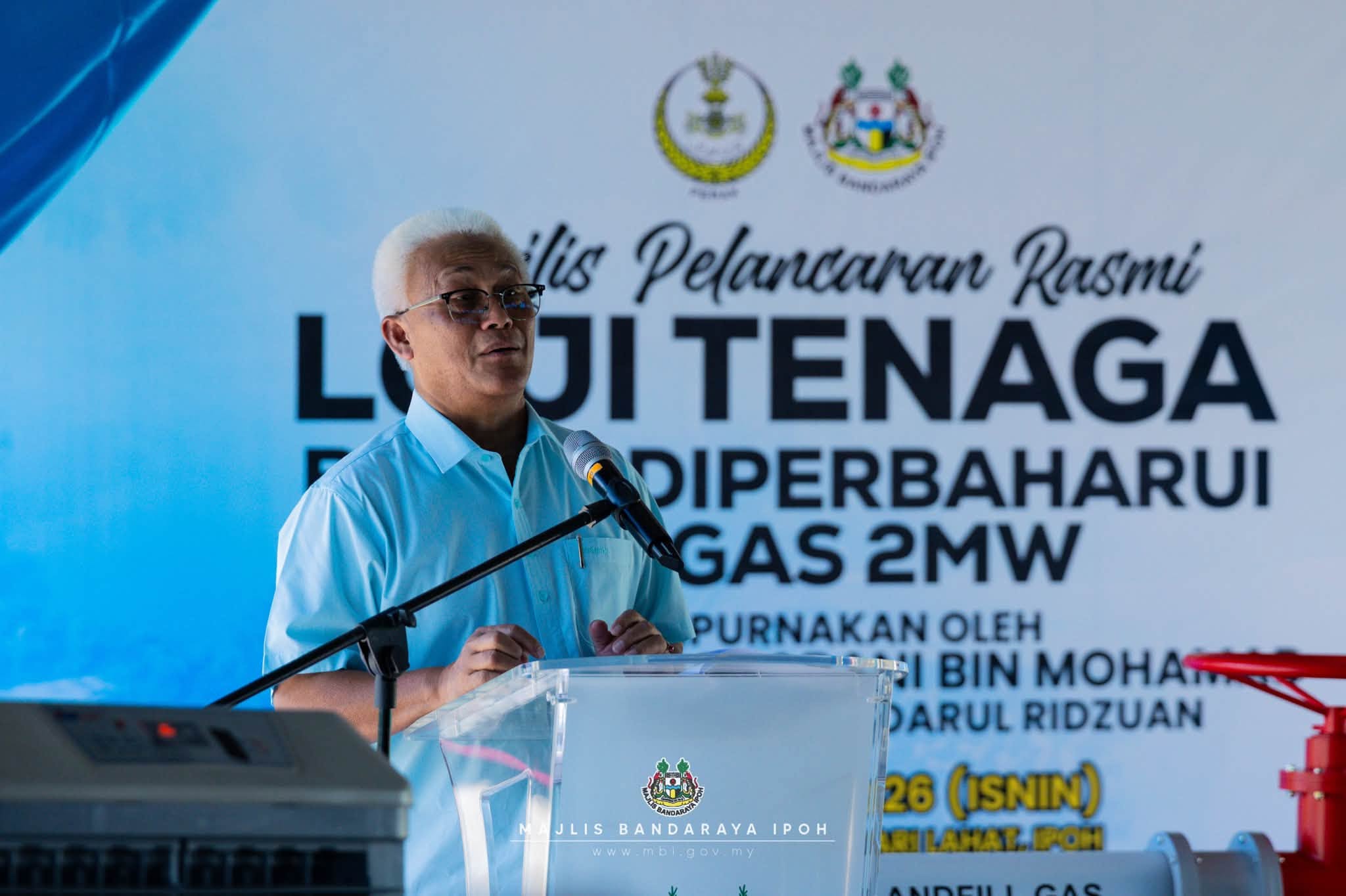
IPOH, 28 SEPTEMBER 2026 – Ipoh City Council (MBI) continues to strengthen its commitment towards the development of a sustainable, low-carbon and resilient city through the official launch of the 2-Megawatt (MW) Biogas Renewable Energy Plant at the Lahat Sanitary Landfill in Ipoh today.
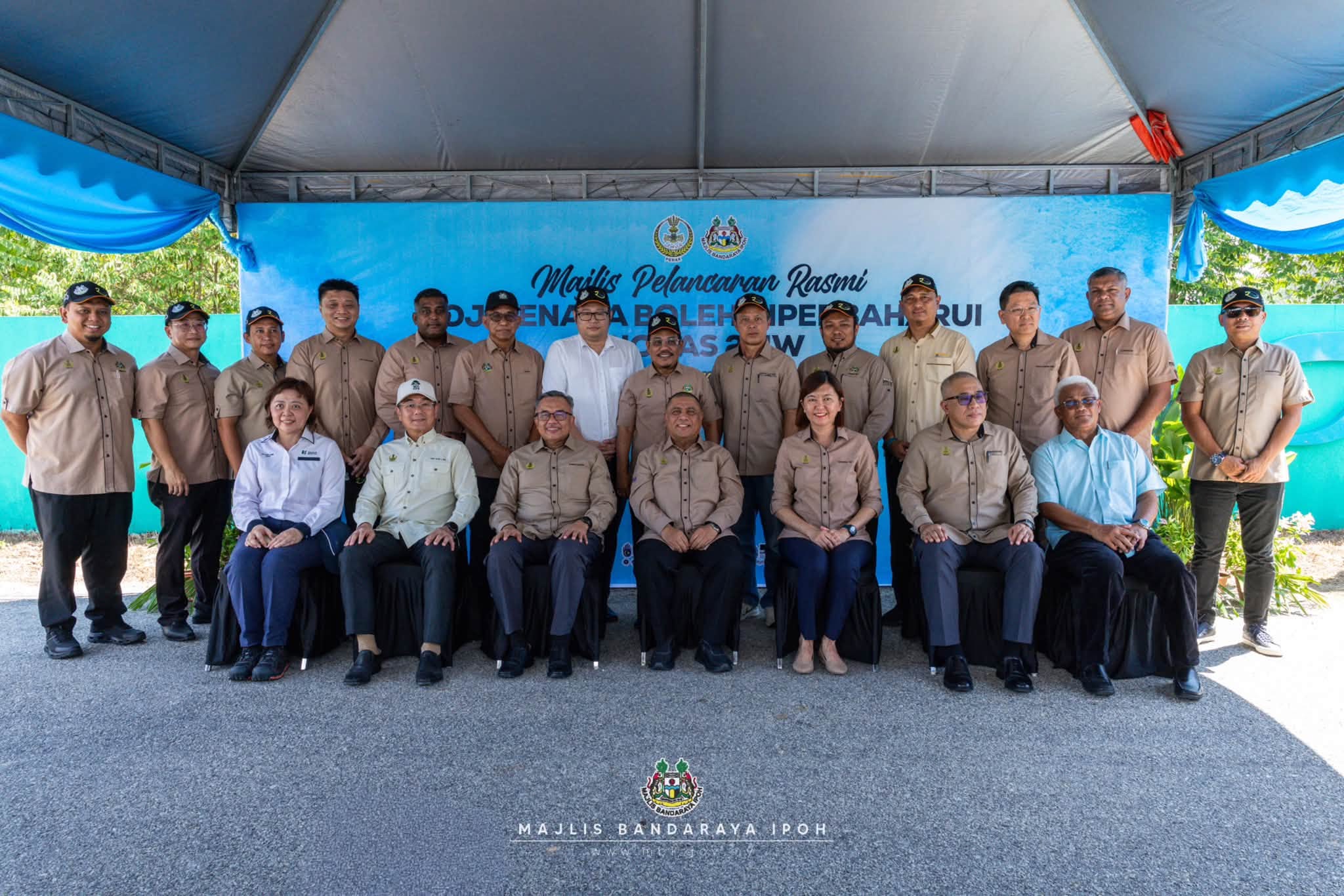
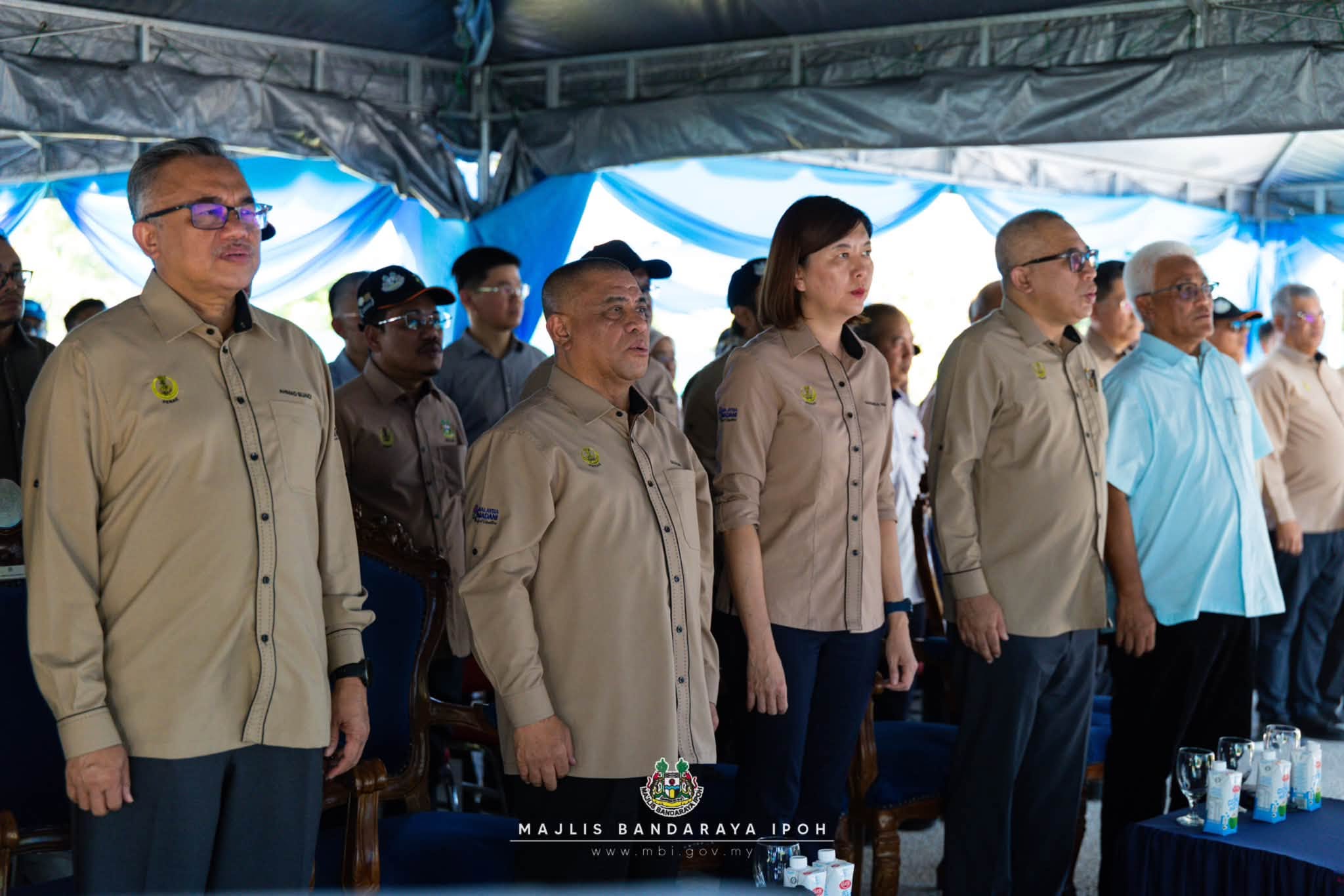
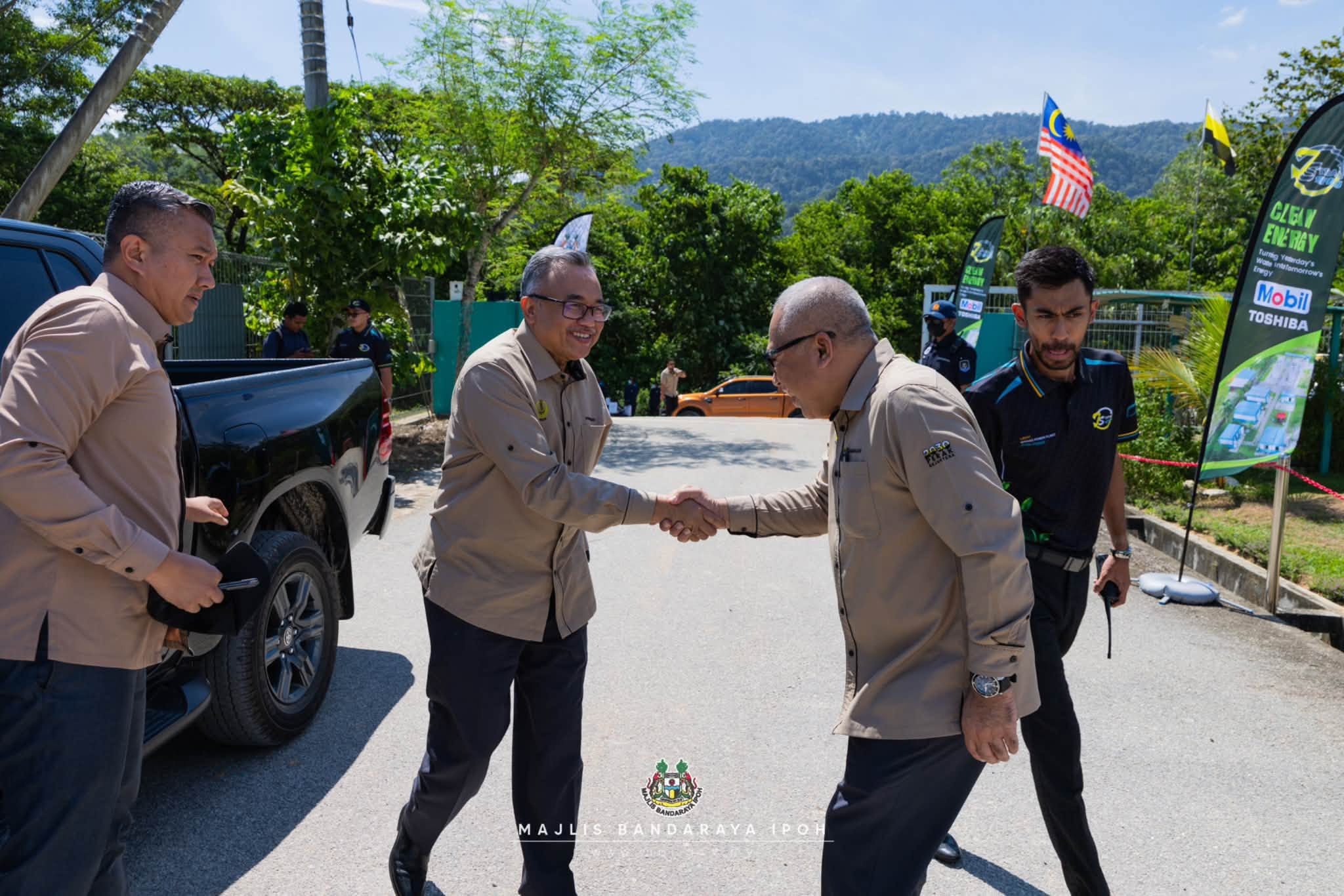
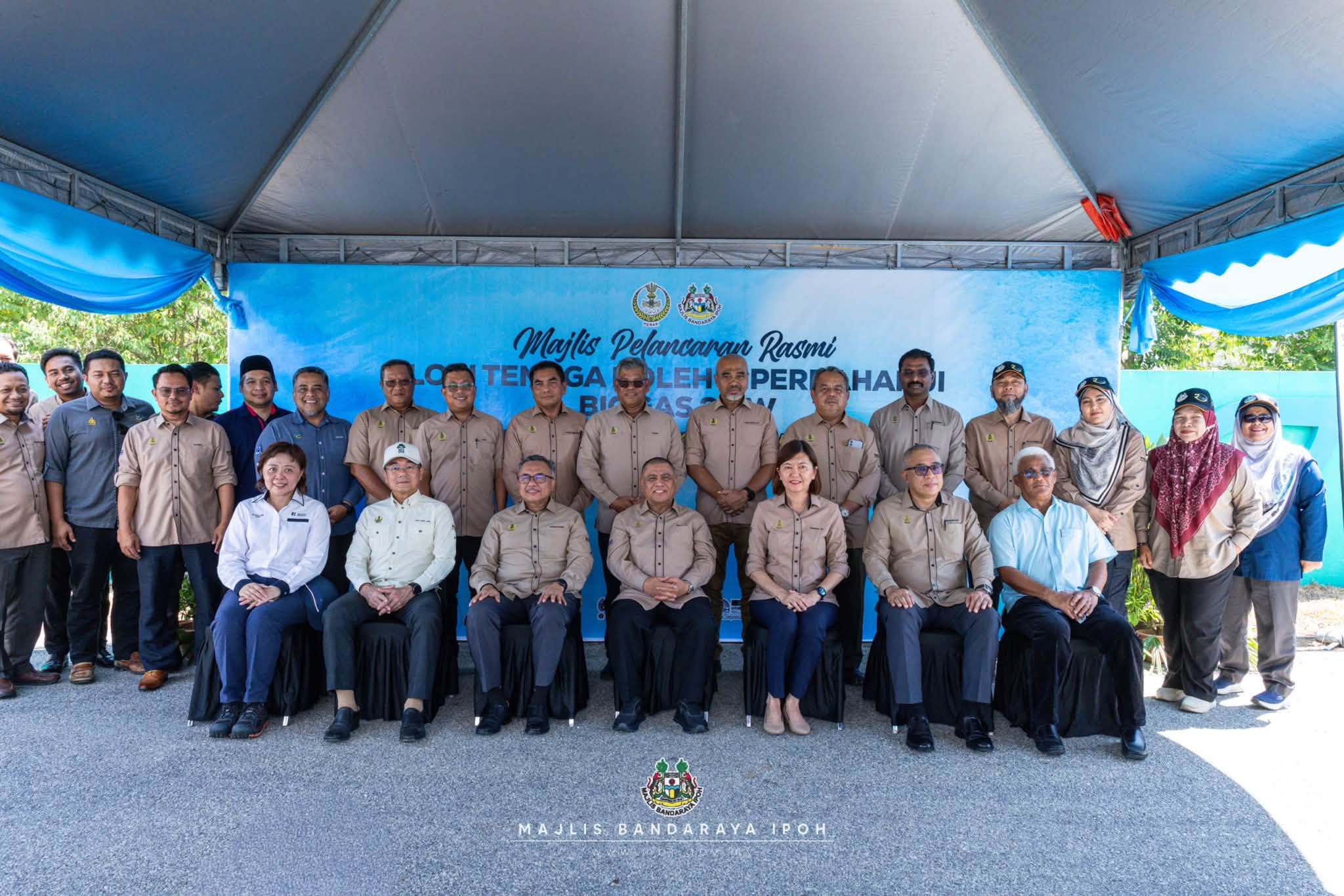
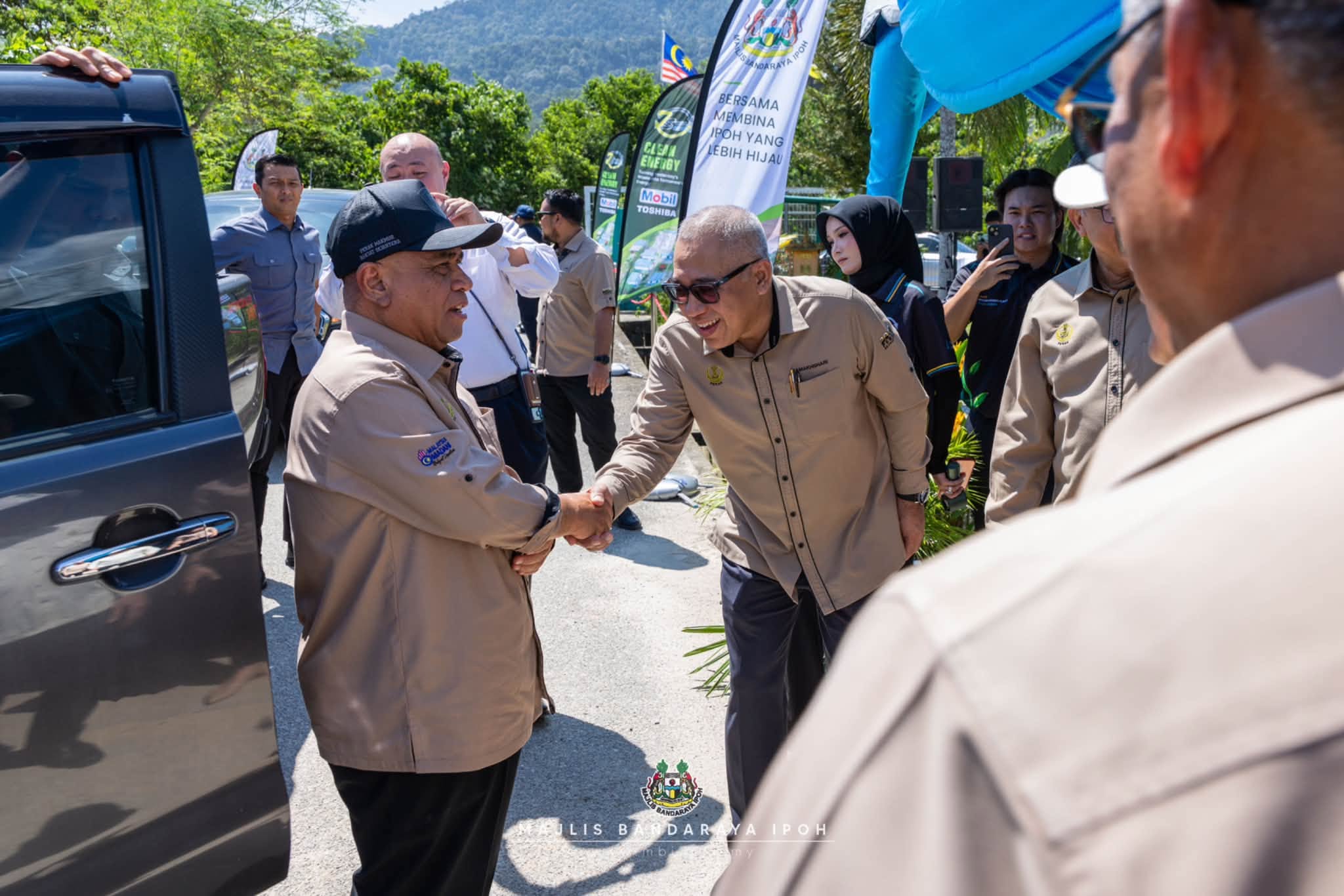
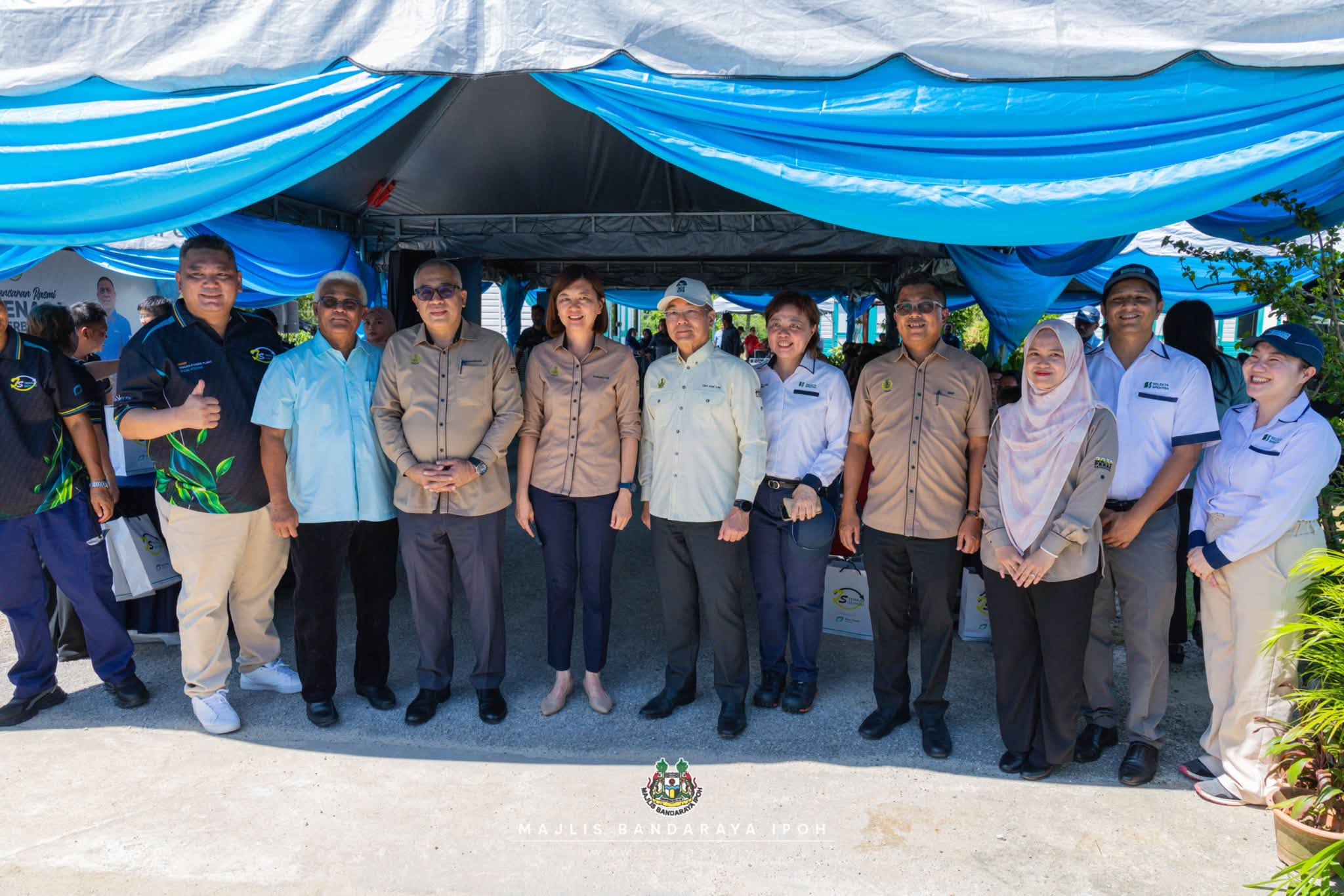
The launch ceremony was officiated by Perak Menteri Besar Dato’ Seri Saarani Mohamad, marking another significant milestone in the efforts of the Perak State Government and MBI to expand the use of green technology, enhance waste management efficiency and boost the utilisation of renewable energy resources.
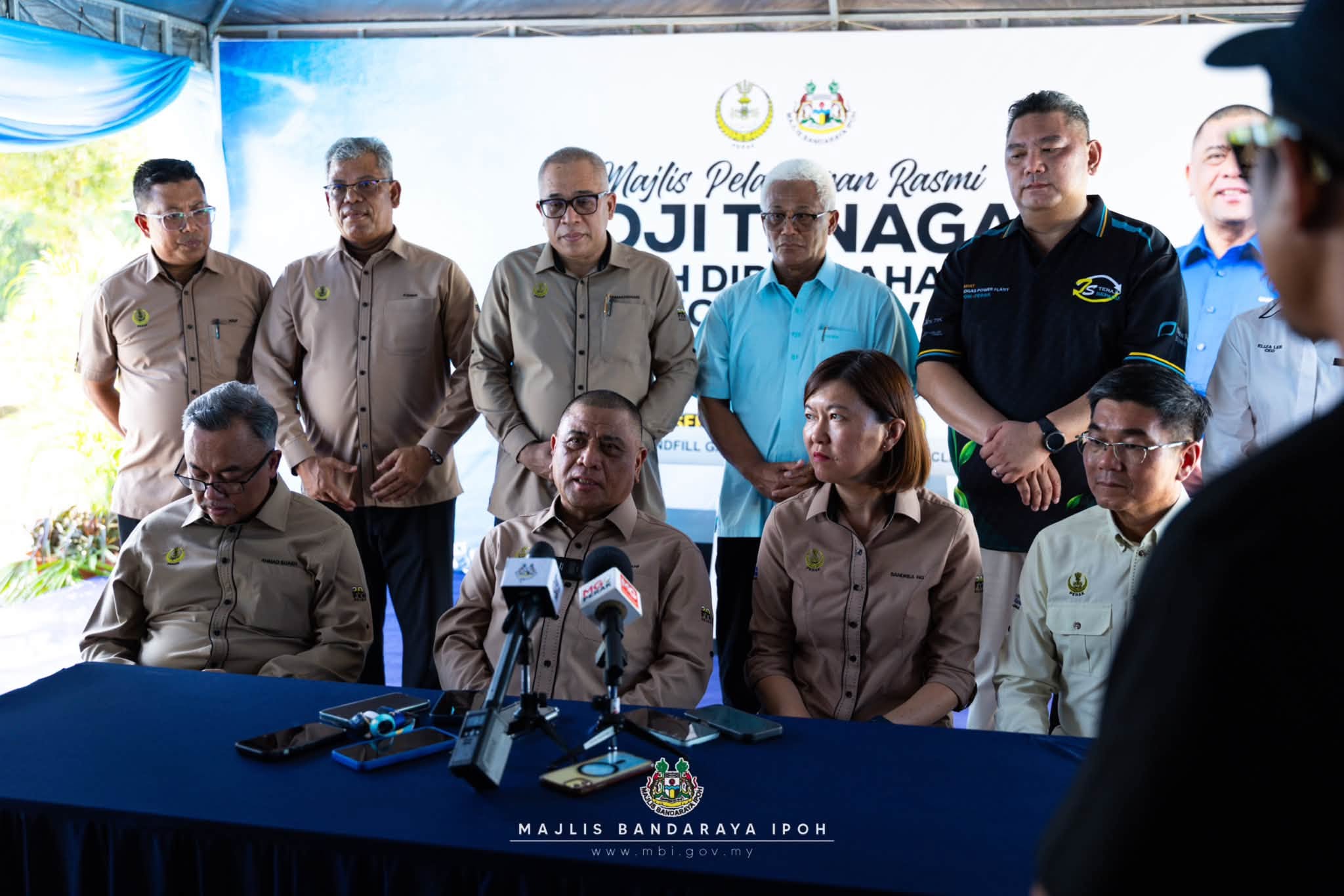
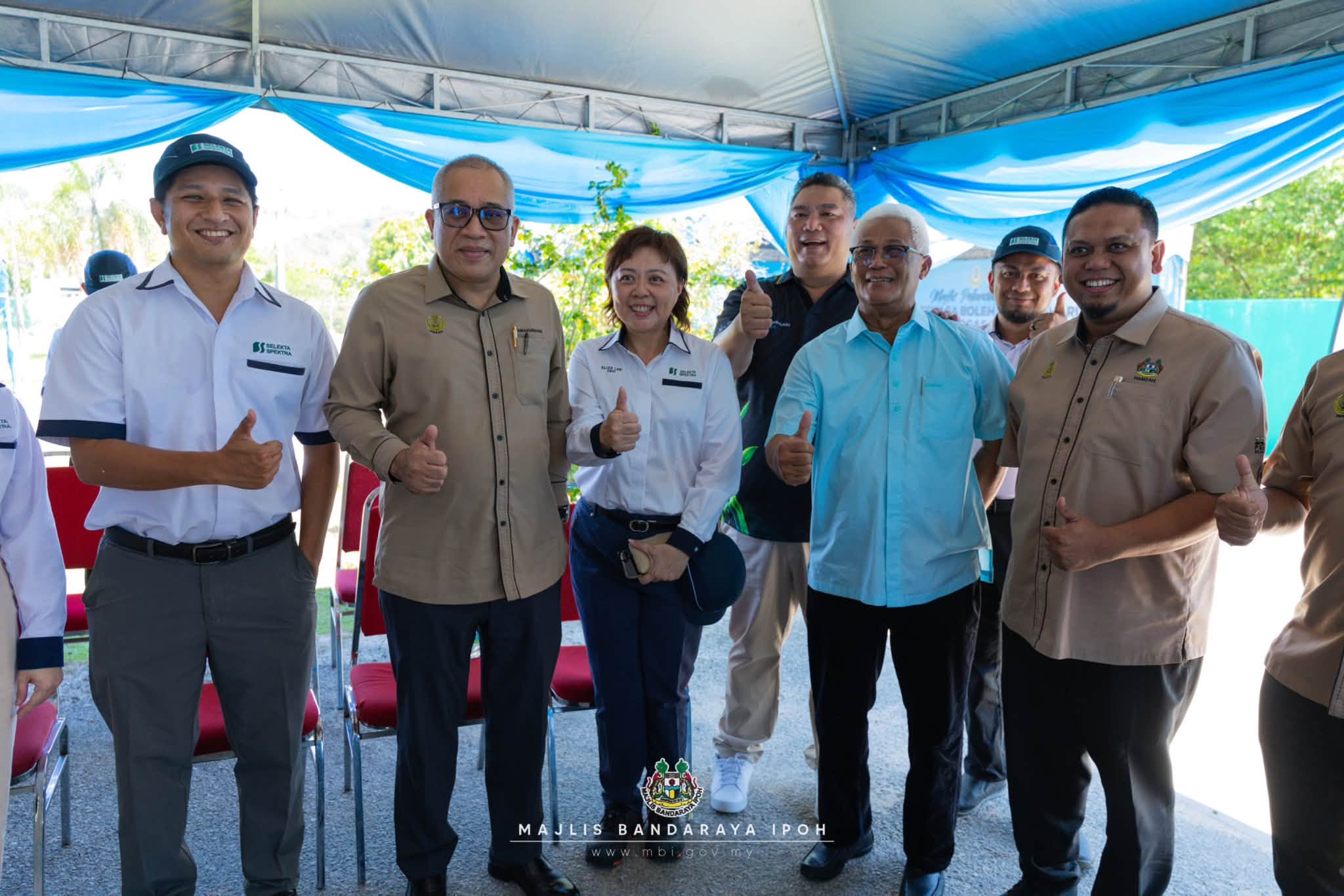
Also present were State Secretary Dato’ Ahmad Suaidi Abdul Rahim, State Housing and Local Government Committee Chairman Sandrea Ng Shy Ching, State Science, Environment and Green Technology Committee Chairman Teh Kok Lim, Ipoh Mayor Zamakhshari Hanipah, Teraju Sepadu Sdn. Bhd. Managing Director Dato’ Roshidi Hashim and Selekta Spektra Sdn. Bhd. Chief Executive Officer Eliza Lee.
FROM WASTE TO GREEN ENERGY SOURCE
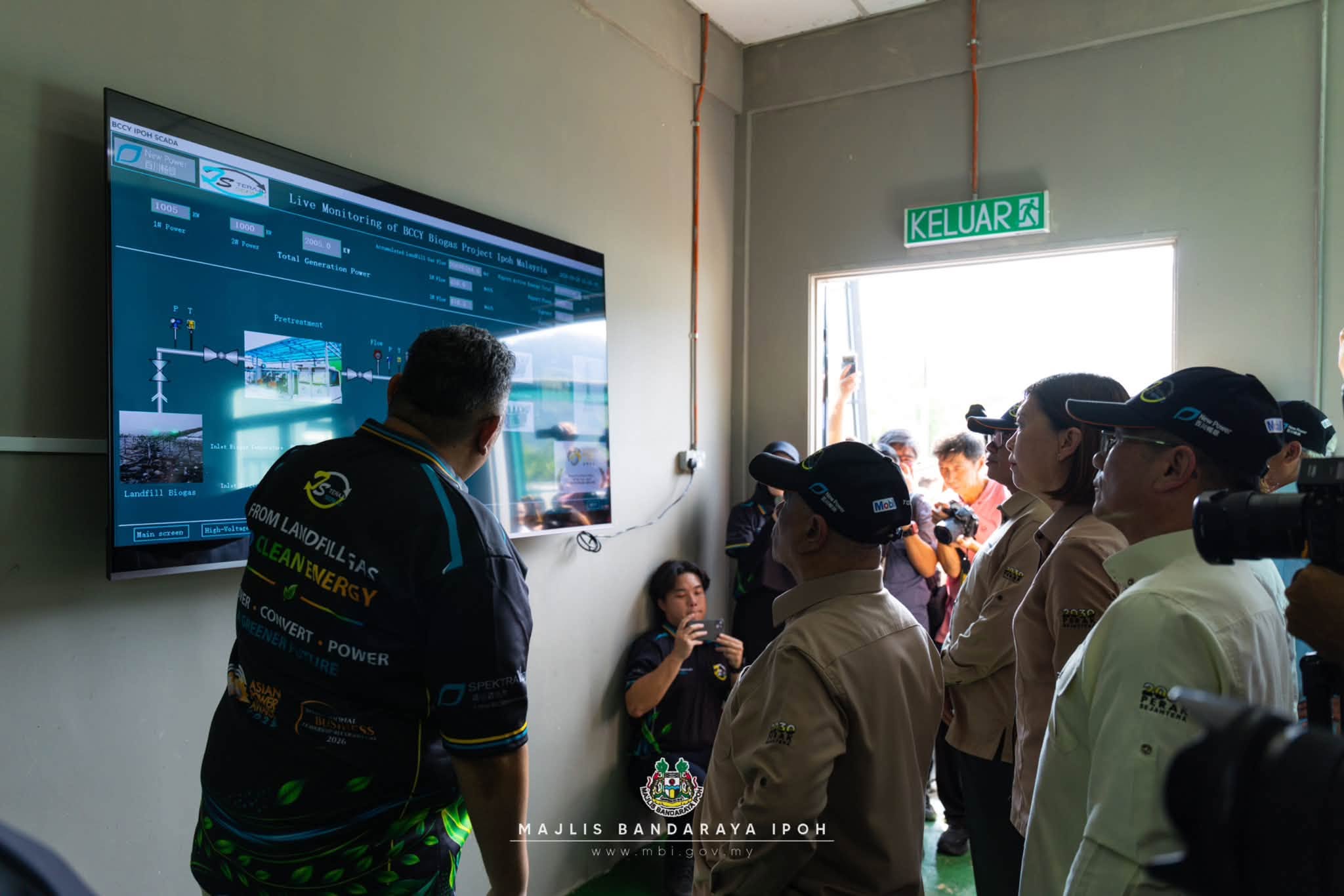
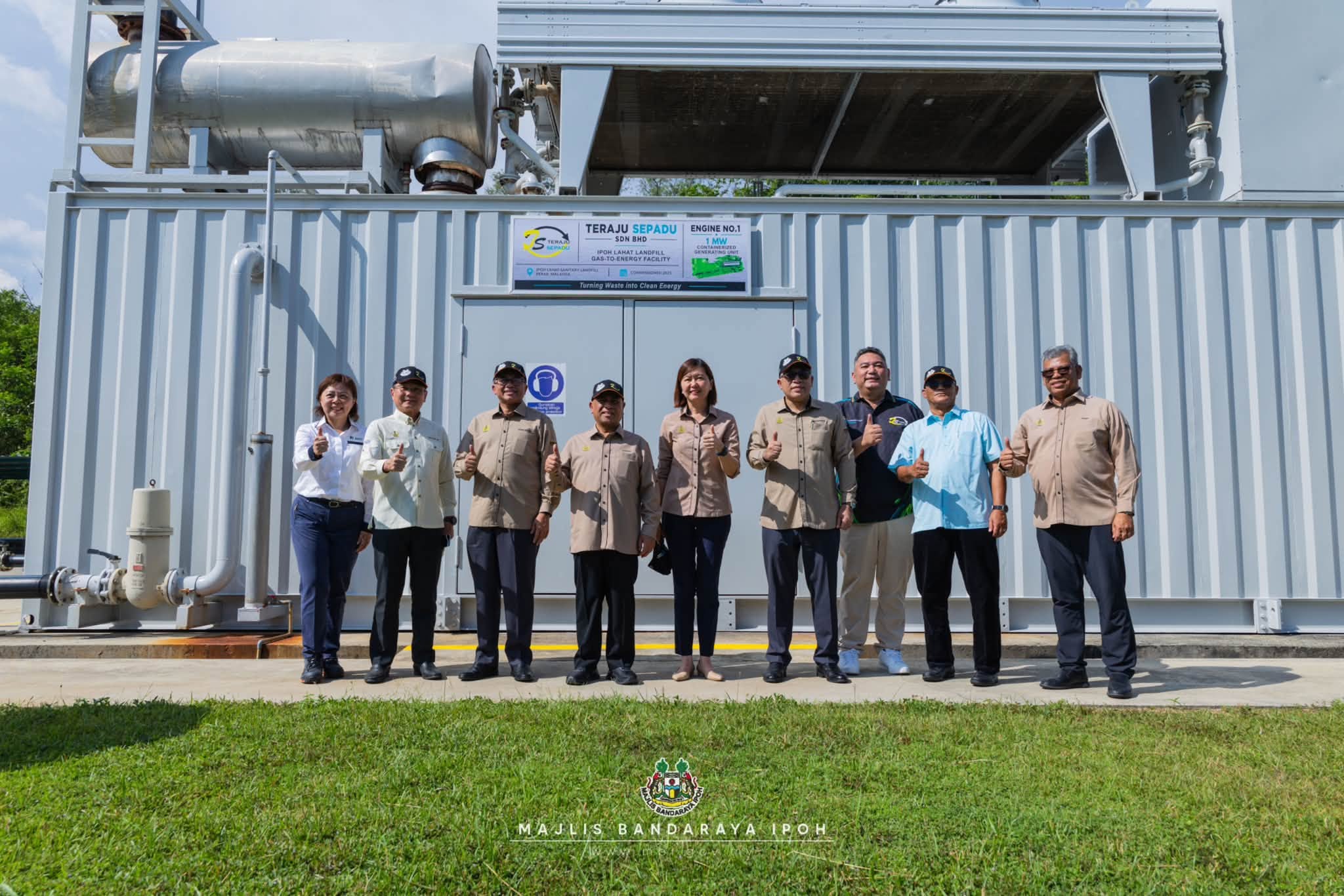
The project, known as the 2MW Biogas-Based Renewable Energy Plant Development Project at the Papan Ulu Johan Solid Waste Sanitary Landfill in Mukim Belanja, Ipoh, utilises landfill gas produced from the decomposition of solid waste to be converted into renewable electrical energy.
The project achieved its Feed-in Tariff Commercial Date (FITCD) on 19 May 2025, marking the commencement of commercial operations for biogas-based renewable electricity generation at the site.
With a generation capacity of 2MW, this plant enables landfill gas to be productively utilised as an energy source, besides helping to reduce greenhouse gas emissions, particularly methane, into the atmosphere.
The implementation of this project is a practical example of the application of the circular economy in solid waste management, whereby waste materials that are usually considered as an environmental liability are transformed into resources with economic and energy value.
This approach also reflects the transformation of urban waste management from a conventional disposal-oriented model to a more sustainable approach via the waste-to-energy concept, thereby supporting Ipoh’s transition towards a low-carbon city.
TRANSLATING DOUGHNUT ECONOMICS INTO ACTION
In the context of more holistic urban development, this project also reflects the principles of Doughnut Economics, which encourage societal development and wellbeing within ecological boundaries.
This approach emphasises more efficient use of resources, strengthening the circular economy and the adoption of green technology to create an urban system capable of meeting the needs of society without placing unsustainable pressure on the environment.
This initiative is also in line with the Ipoh Doughnut Economics Action Plan: A City Portrait in Action 2025–2030, particularly Demonstrator Project Theme 2: Planetary Health – Integrated Waste Management Strategy, which emphasises strengthening integrated waste management systems.
The utilisation of landfill gas to generate renewable energy demonstrates how these strategic aspirations can be translated from planning into implementation and tangible results on the ground.
At the same time, the project supports the transition towards a lower-carbon, regenerative and resilient urban system by positioning waste management as part of the urban solution in addressing the challenges of climate change, resource efficiency and energy transition.
STRATEGIC COOPERATION FOR SUSTAINABILITY AND COMMUNITY
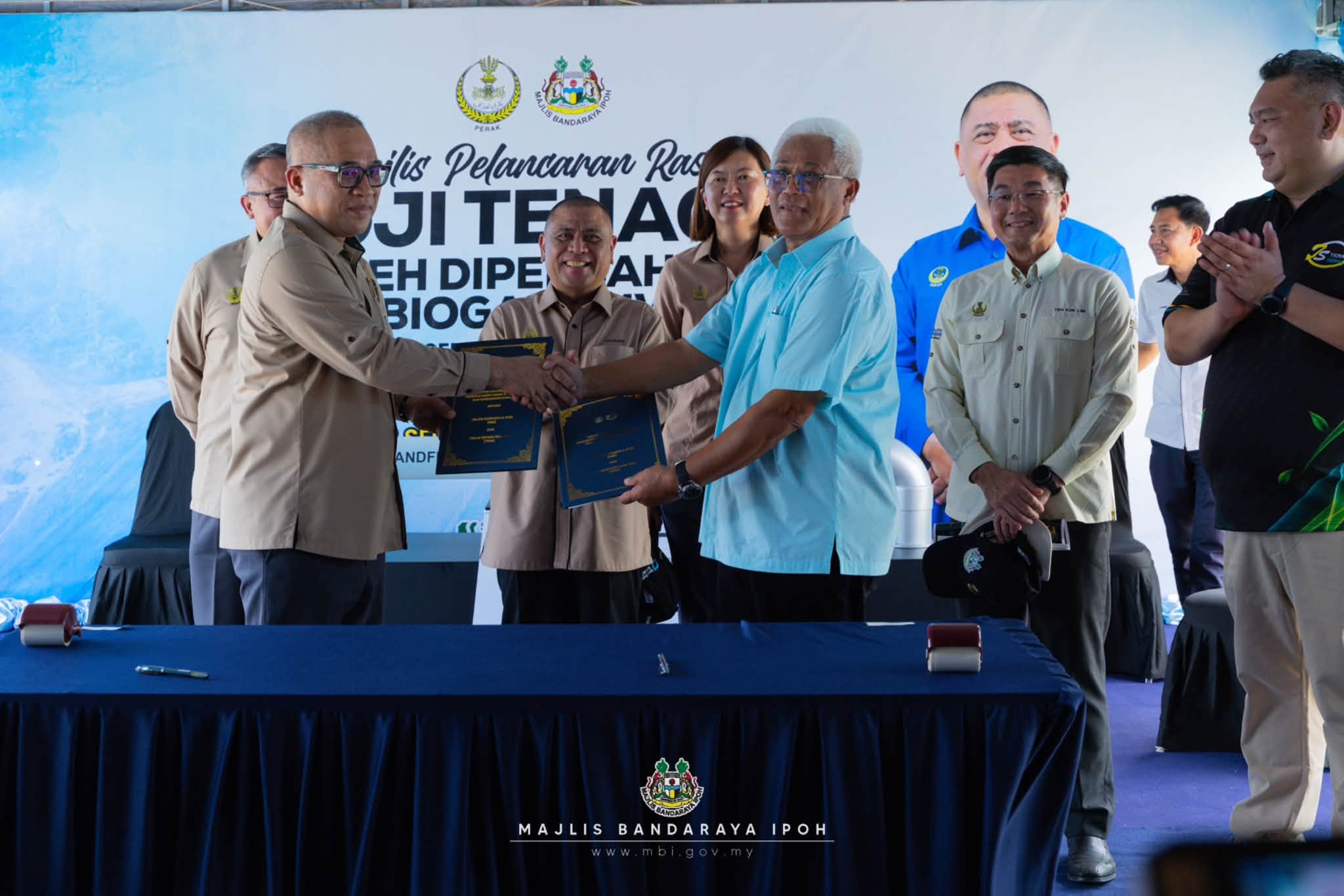
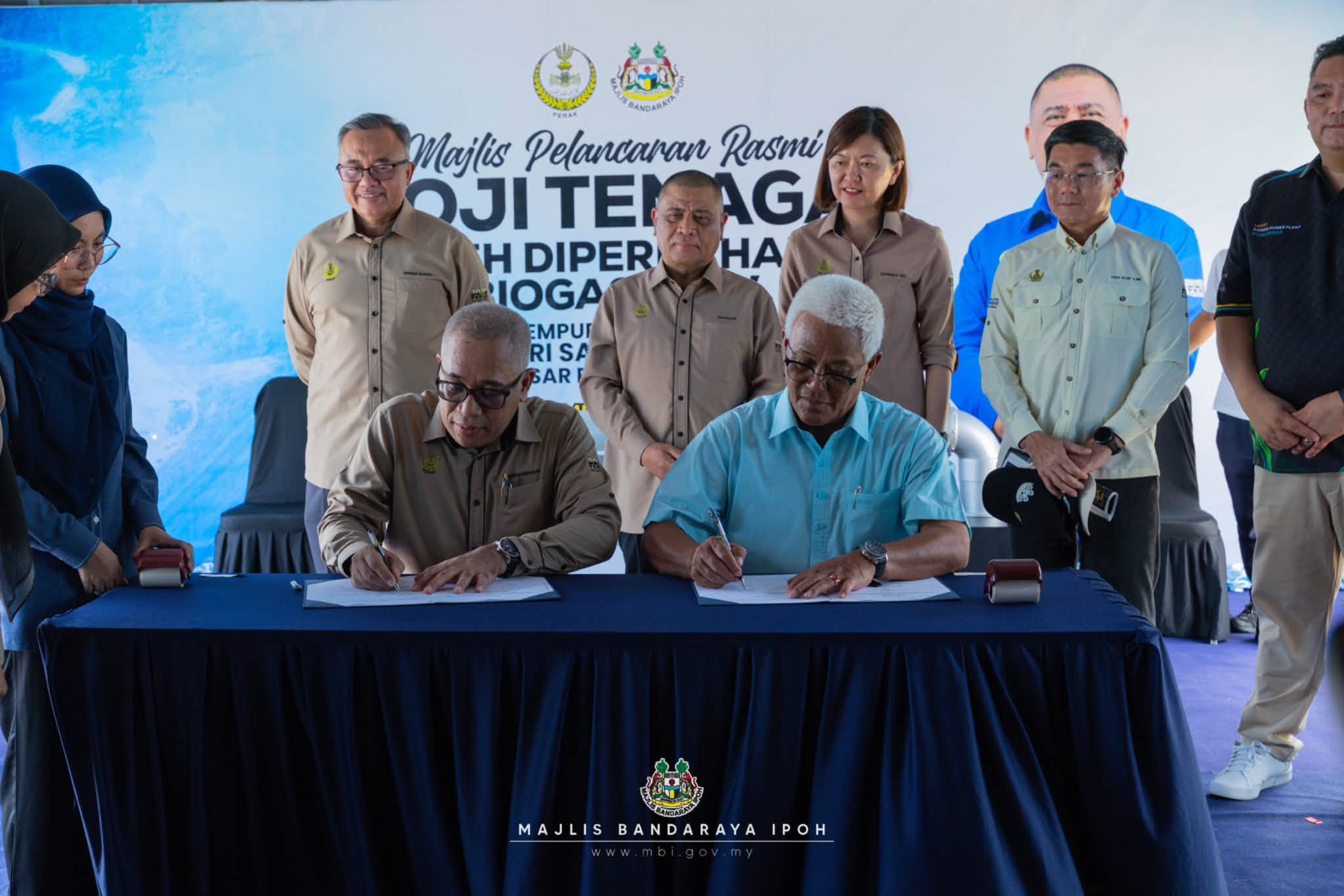
Coinciding with the launch of this plant, cooperation between MBI and Teraju Sepadu Sdn. Bhd. as a strategic partner was further strengthened via the Environmental Sustainability and Community Contribution Programme Cooperation Agreement between both parties
The cooperation reflects a shared commitment to expanding the implementation of environmental sustainability and community development initiatives that benefit the local people, in line with the aspiration to develop Ipoh as an inclusive and sustainable city.
Through this cooperation, programmes related to environmental awareness and education, waste management, community development and suitable community activities can be continuously strengthened.
STRENGTHENING IPOH’S DIRECTION AS A LOW-CARBON CITY
MBI believes that the successful development of this 2MW Biogas Plant is the result of close cooperation among the Perak State Government, Ipoh City Council, strategic partners, operators and relevant technical agencies in realising the city’s green development and sustainability agenda.
The development of this plant is among the manifestations of MBI’s commitment to reinforcing Ipoh’s aspiration as a low-carbon, resilient and sustainable city, besides contributing to the energy transition agenda and green technology development in Perak.
Through this project, the Lahat Sanitary Landfill is no longer viewed merely as a solid waste disposal facility, but has evolved into part of the city’s green energy ecosystem, capable of generating economic value and environmental benefits from resources previously regarded as waste.
MBI hopes that the success of this project can serve as a catalyst for the development of more waste-based renewable energy initiatives in the future, while opening opportunities for broader strategic cooperation between the public and private sectors.
This effort will further strengthen Ipoh’s journey towards becoming a greener, low-carbon, regenerative and resilient city, for the wellbeing of the people and the sustainability of the environment for future generations.
- Hits: 298


